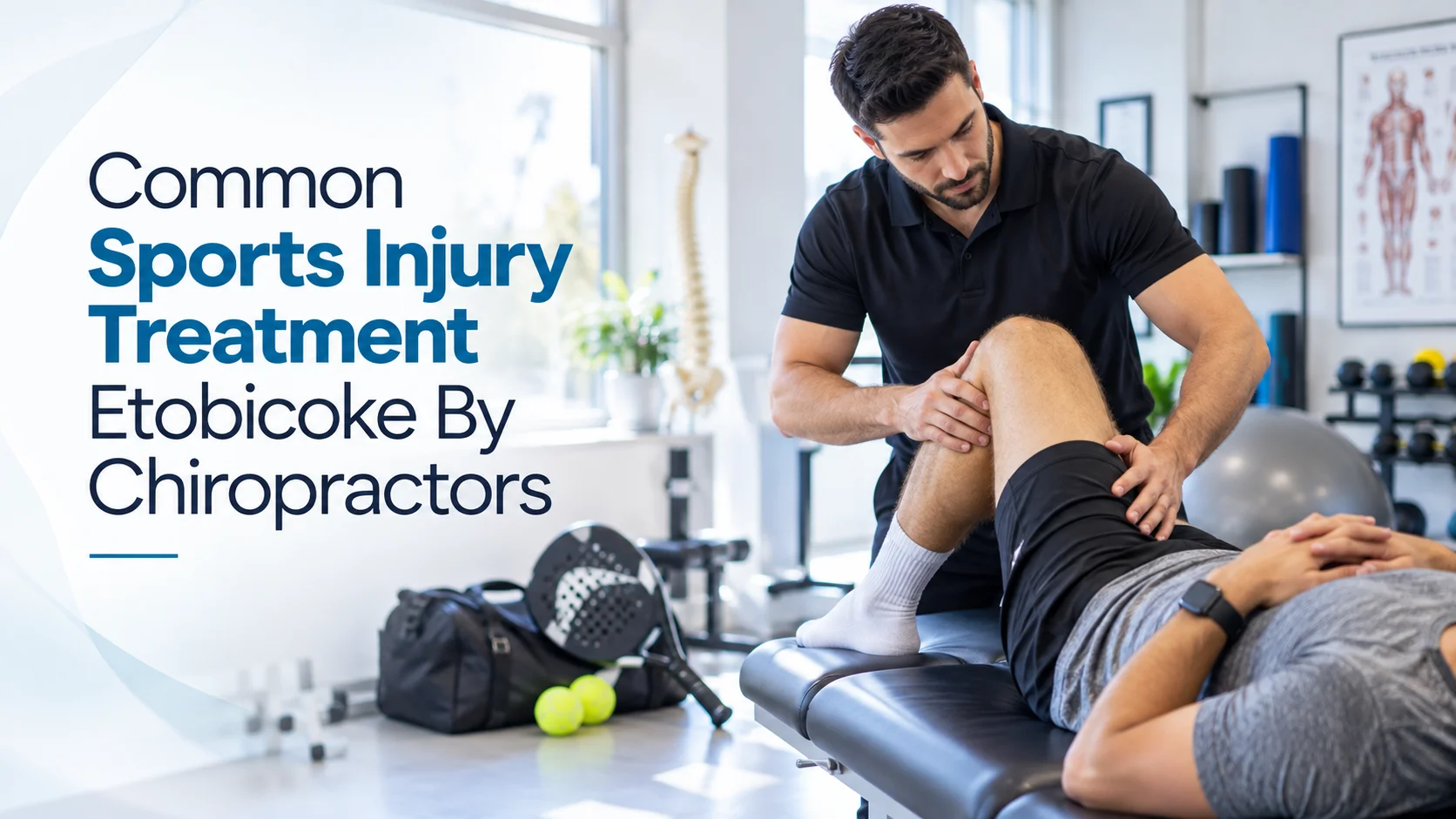
Learn how structured care and modern rehab techniques restore athletic performance fast.
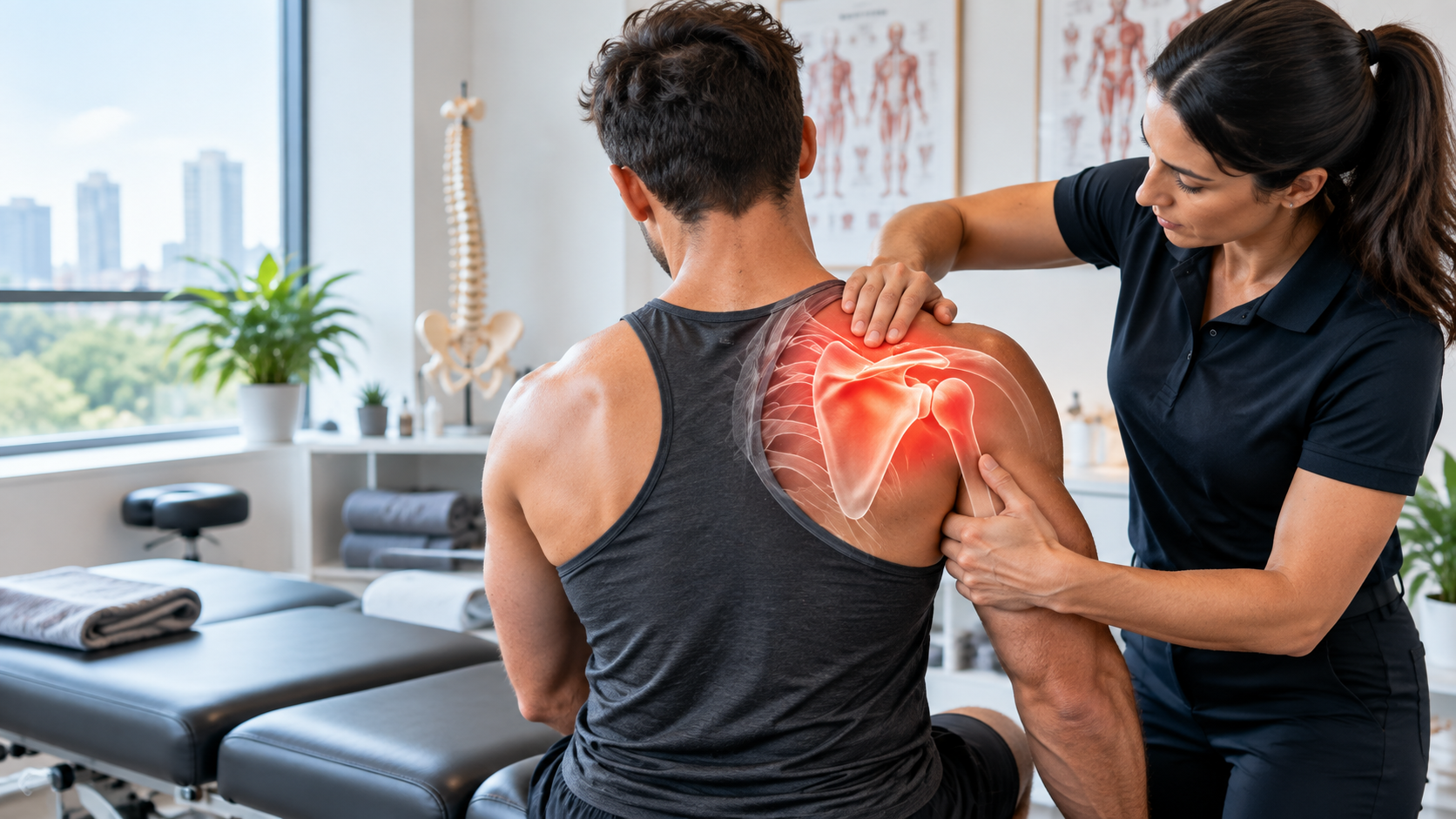
Whether you are a weekend warrior lacing up for a Sunday league soccer match, a marathon runner logging high mileage through local trails, or a competitive crossfitter pushing your limits, sports injuries happen. A sudden ankle sprain, a nagging shoulder impingement, or a strained hamstring can feel like a devastating roadblock.
However, bouncing back from an injury is rarely about simply waiting for the pain to disappear. True recovery is an active, methodical science. Without a structured rehabilitation framework, athletes frequently fall victim to chronic pain cycles, nagging reinjuries, and suppressed performance.
At Etobicoke Chiro, we believe that understanding the biology of healing and following a progressive, milestone-driven rehabilitation process is the key to coming back stronger, faster, and more resilient than before. Let’s dive deep into how you can optimise your recovery journey, utilise cutting-edge modalities, and safely return to peak athletic performance.
Why a Structured Recovery Process Matters
When tissue is damaged, whether it is a torn ligament, a strained muscle fibre, or inflamed tendon tissue, the body initiates an intricate cascade of biological repair mechanisms. Historically, athletes were told to “rest until it stops hurting.” Modern sports science has thoroughly debunked this approach.
Research published in the British Journal of Sports Medicine highlights that early, controlled mechanical loading stimulates collagen synthesis and accelerates muscle regeneration far more effectively than prolonged rest. When you immobilise a joint or muscle for too long, you trigger rapid muscular atrophy, loss of cardiovascular conditioning, and degradation of neuromuscular pathways.
Navigating this delicate balance between protecting healing tissue and providing enough stimulus to encourage robust adaptation requires professional guidance. Collaborating with a specialised sports injury chiropractor in Etobicoke ensures that your recovery is guided by objective functional milestones rather than guesswork or rigid calendar timelines.
The 5 Phases of Sports Injury Rehabilitation
An effective rehabilitation program bridges the gap between the acute injury room and the competitive playing field. To ensure long-term joint health and athletic longevity, recovery is systematically broken down into five distinct phases:
Phase 1 – Acute & Inflammatory Control
- Primary Objective – Manage pain, control excessive inflammation, and protect the newly damaged tissue.
- Timeline – Days 1 to 7 post-injury.
- Key Strategies – During the immediate post-injury window, the body floods the site with inflammatory mediators to clear cellular debris. While inflammation is a necessary precursor to healing, uncontrolled swelling restricts range of motion and increases localised pressure. Applying the classic RICE protocol (Rest, Ice, Compression, Elevation) or utilising active cold-compression therapy devices helps modulate this acute response.
- Clinical Insight – Gentle, pain-free passive range-of-motion exercises can be introduced early to prevent excessive scar tissue adhesion, setting the stage for subsequent phases of care.
Phase 2 – Range of Motion & Flexibility
- Primary Objective – Restore normal joint arthrokinematics and muscle elasticity.
- Timeline – Weeks 1 to 3.
- Key Strategies – Once the acute inflammatory phase subsides, stiffness becomes the primary enemy. Joint mobilisations, targeted soft-tissue therapy, and guided stretching help realign developing collagen fibres along lines of physical stress.
- Clinical Insight – Flexibility is not just about lengthening muscles; it involves restoring joint capsule mobility. A qualified sports injury chiropractor in Etobicoke utilises hands-on adjustments and myofascial release techniques to unlock restricted joints and prep the kinetic chain for loading.
Phase 3 – Strength & Endurance
- Primary Objective – Rebuild muscular capacity, structural integrity, and local endurance.
- Timeline – Weeks 3 to 6+.
- Key Strategies – Muscle fibres must be subjected to progressive mechanical tension to regain their tensile strength. Rehabilitation begins with isometric contractions (holding a muscle without joint movement) to safely recruit motor units. As tolerance improves, therapy progresses to concentric and eccentric movements using resistance bands, bodyweight exercises, free weights, and specialised gym equipment.
- Clinical Insight – Eccentric loading (lowering a weight under control) is particularly vital for tendon rehabilitation, as studies show it stimulates superior tendon remodelling compared to concentric contractions alone.
Phase 4 – Proprioception & Coordination
- Primary Objective – Train balance, joint stability, and subconscious neuromuscular control.
- Timeline – Weeks 6 to 9+.
- Key Strategies – Injuries do not just damage physical structures; they disrupt the nervous system’s position sense (proprioception). When a ligament is torn, mechanoreceptors within the joint are compromised, leaving the athlete vulnerable to recurrent sprains. Proprioceptive training utilises unstable surfaces like balance boards, BOSU balls, and single-leg drills to retrain the brain-body connection.
- Clinical Insight – Restoring subconscious neuromuscular control is the single most effective way to eliminate compensatory movement patterns that lead to secondary injuries down the road.
Phase 5 – Sport-Specific & Return to Play
- Primary Objective – Bridge the gap between standard rehabilitation and high-intensity athletic demands.
- Timeline – Weeks 9 to 12+.
- Key Strategies – Before stepping back onto the field or court, your body must prove it can handle the chaotic, high-velocity forces of your specific sport. This phase includes agility ladder drills, plyometrics, change-of-direction training, and psychological readiness assessments.
- Clinical Insight – Passing functional symmetry tests, ensuring your injured limb operates at 90% or more strength and stability compared to your uninjured limb, is non-negotiable for a safe discharge.
The Role of Chiropractic Care in Athletic Longevity
Many athletes mistakenly view chiropractic care as a quick fix exclusively for spinal alignment or back pain. In reality, modern sports chiropractic encompasses the comprehensive management of the entire neuromusculoskeletal system.
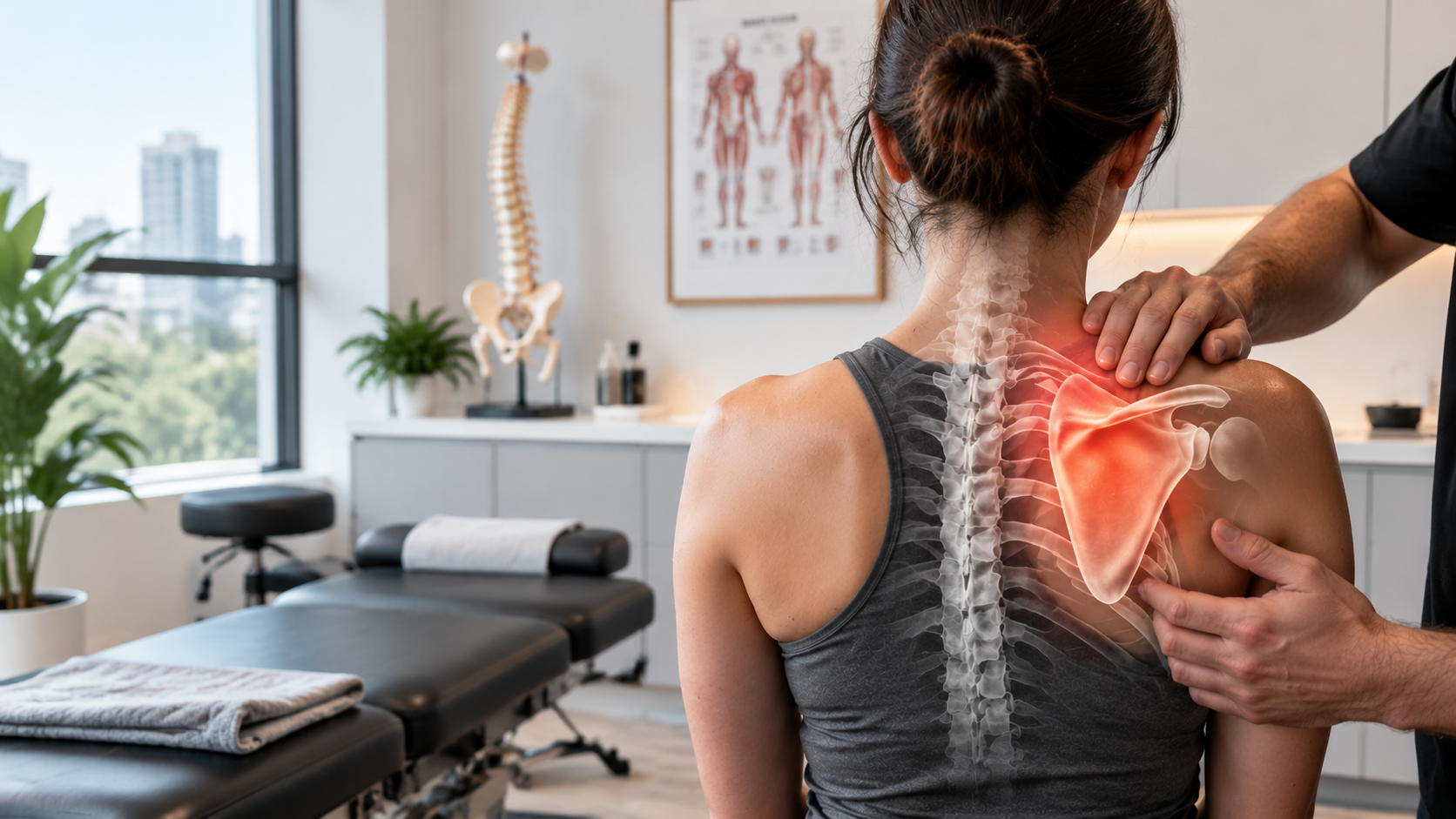
When integrated into an athletic regimen, specialised Sport Injuries Chiropractic care focuses on identifying biomechanical inefficiencies that predispose athletes to trauma. For example, a runner experiencing chronic patellar tendinopathy may actually be suffering from hip abductor weakness and restricted ankle dorsiflexion. By treating the entire kinetic chain rather than just chasing localised symptoms, chiropractors help optimise movement mechanics, enhance joint mobility, and accelerate tissue healing.
Furthermore, manual therapies, such as instrument-assisted soft tissue mobilisation (IASTM), active release techniques (ART), and joint manipulations, help break down abnormal fibrotic adhesions, restore optimal blood flow, and normalise nervous system tone. This multifaceted approach ensures that when you return to your sport, your body moves with maximum efficiency and minimal friction.
Key Recovery Modalities – Accelerating Natural Healing
While physical exercise and manual therapy form the bedrock of rehabilitation, modern sports medicine offers advanced technological modalities that can significantly speed up your timeline.
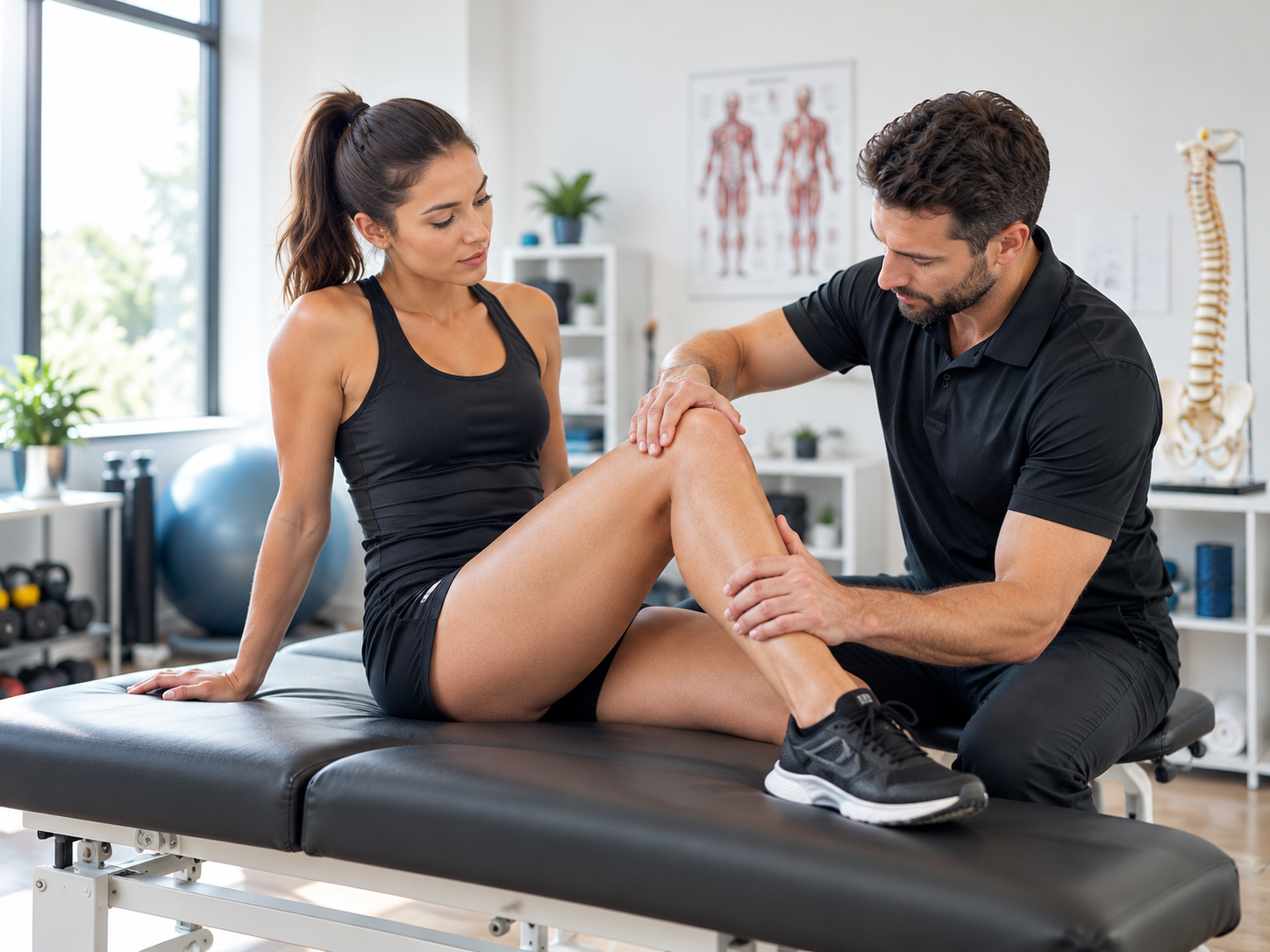
- Targeted Physiotherapy & Manual Therapy – Working with skilled local clinicians who specialise in hands-on joint mobilisations, spinal adjustments, and customised exercise prescriptions ensures that every stage of tissue healing receives the exact mechanical stimulus it requires.
- Active Cold & Compression Systems – Advanced recovery tools, such as motorised cold-compression units (ranging from portable clinical setups to high-end home units), combine intermittent pneumatic compression with continuous cold therapy. According to research in sports medicine journals, these systems dramatically reduce postoperative and acute swelling, helping decrease reliance on pharmaceutical pain management.
- Gradual Functional Progression – Perhaps the most underrated recovery modality is patience governed by data. Utilising objective metrics, such as handheld dynamometry for strength testing and force plates for balance assessment, guarantees that you earn each physical milestone before progressing to higher-intensity demands.
Nutritional Synergy and Sleep for Tissue Repair
To truly maximise your recovery and fulfil a comprehensive rehabilitation protocol, we must look beyond the clinic walls and examine systemic recovery factors – nutrition and sleep.
The Anabolic Window of Tissue Repair
When recovering from a musculoskeletal injury, your resting metabolic rate actually increases. The body requires additional energy and specific building blocks to synthesise new collagen and muscle proteins.
- Protein Optimisation – Clinical guidelines suggest that injured athletes consume between 1.6 and 2.2 grams of protein per kilogram of body weight daily to offset catabolic muscle wasting during immobilisation phases.
- Key Micronutrients – Vitamin C plays an essential enzymatic role in stabilising collagen molecules, while adequate omega-3 fatty acid intake helps modulate systemic inflammation without blunting the necessary acute healing response.
The Underrated Power of Slow-Wave Sleep
Growth hormone (GH) secretion peaks during deep, slow-wave sleep. Sleep deprivation impairs protein synthesis, blunts immune function, and significantly increases your relative risk of subsequent sports injuries. Prioritising 8 to 9 hours of quality sleep per night is quite literally your biological superpower when it comes to tissue regeneration.
Frequently Asked Questions
1. How soon should I see a sports injury chiropractor after an injury?
It is best to seek professional evaluation within 24 to 48 hours of sustaining an injury. Early assessment helps control acute pain and swelling, rules out severe damage, and allows your chiropractor to establish a safe, progressive rehabilitation plan right away.
2. Can I continue exercising while recovering from a sports injury?
Yes, in most cases you can and should keep moving. Modern sports rehabilitation emphasises relative rest rather than total immobilisation. While you need to protect the injured area, maintaining cardiovascular fitness and strengthening uninjured parts of your kinetic chain prevents muscle loss and accelerates overall recovery.
3. What is the difference between calendar-based and milestone-based recovery?
Calendar-based recovery relies solely on fixed timelines (e.g., waiting six weeks before running), while milestone-based recovery requires you to demonstrate specific functional capabilities, such as full range of motion, symmetrical strength, and balance, before advancing to the next phase of your rehabilitation.
4. How does chiropractic care help with sports injuries beyond spinal health?
Sports chiropractors treat the entire neuromusculoskeletal system, including peripheral joints like shoulders, knees, and ankles. They use joint adjustments, soft-tissue therapies, and targeted exercises to fix biomechanical imbalances, reduce joint stress, and prevent compensatory injuries.
5. How do I know when I am fully ready to return to my sport?
You are ready to return when you are pain-free, have restored full strength and flexibility equal to your uninjured side, can perform sport-specific movements at full speed, and pass functional readiness assessments guided by your healthcare provider.
Take the Next Step in Your Recovery Journey
Recovering from a sports injury is a journey that demands patience, precision, and expert partnership. You do not have to navigate the complex maze of tissue healing, strength rebuilding, and return-to-play criteria alone.
If you are struggling with a lingering strain, recovering from surgery, or looking to optimise your athletic performance, contact Etobicoke Chiro today. Let our expert team help you reclaim your active lifestyle, eliminate pain, and get back to doing what you love with confidence.