
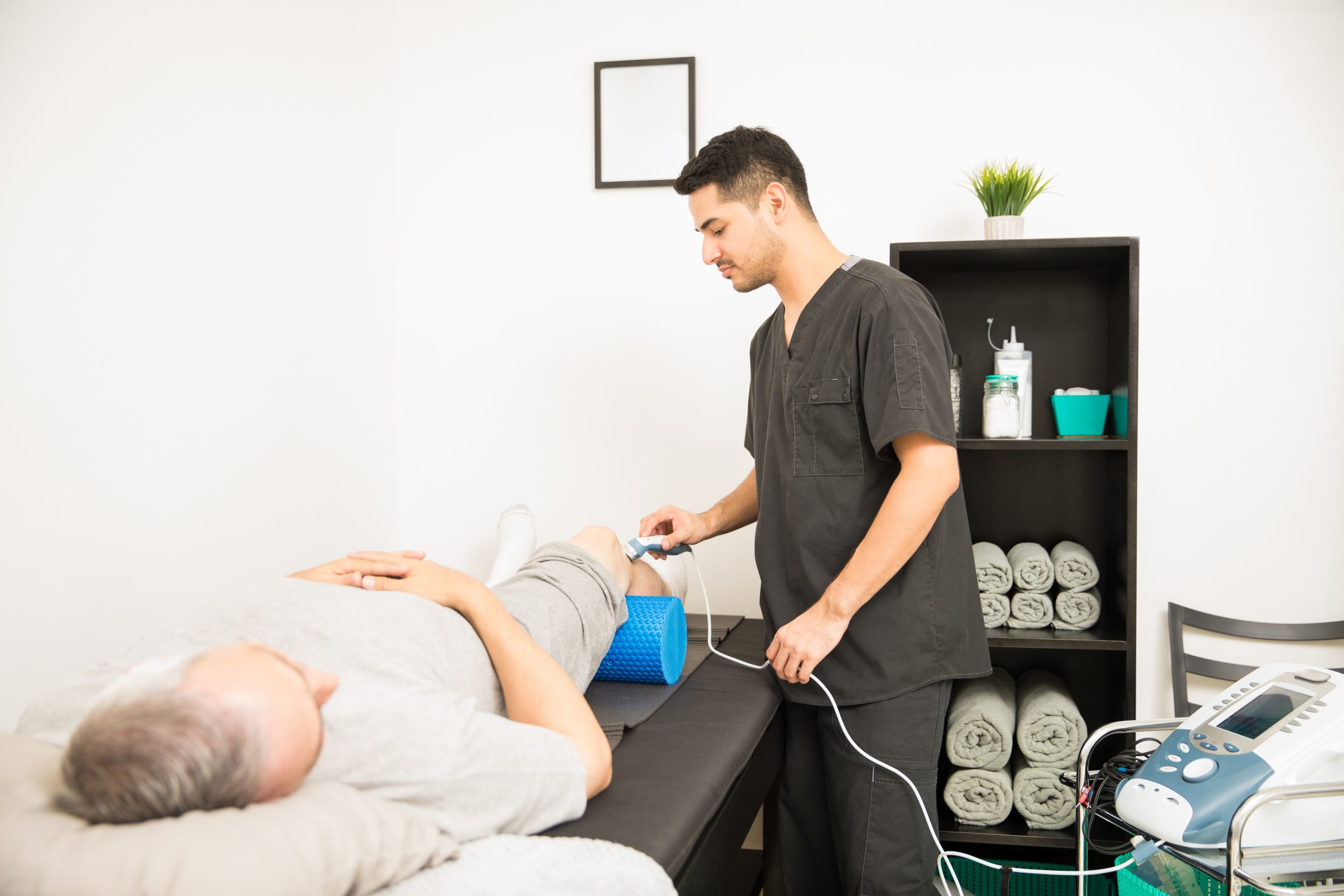
Comparing hands-on chiropractic techniques with precision activator instruments in Etobicoke.
Choosing the right chiropractic approach can be a daunting task, especially with the wealth of information available to residents in the Greater Toronto Area. Whether you are a long-term resident of The Kingsway or a commuter from Islington, finding the right chiropractic techniques in Etobicoke involves understanding the nuances between traditional hands-on chiropractic and the high-tech precision of a chiropractic adjusting instrument.
In this guide, we will break down the mechanics, benefits, and scientific data behind chiropractic activator vs manual manipulation, helping you make an informed decision for your spinal health.
The Philosophy of Chiropractic Care in Etobicoke
Chiropractic care is rooted in the relationship between the structure of the spine and the function of the nervous system. When joints are restricted (subluxated), it can lead to pain, reduced mobility, and nerve interference.
At Etobicoke Chiro, the approach is multidisciplinary. We don’t just look at the spine; we look at the whole person. This is why chiropractic and manual therapies are often combined with physiotherapy, massage, and specialised tools to ensure the body heals as a single, cohesive unit.
Manual Adjustment – The Hands-On Chiropractic Approach
Manual manipulation, specifically the Diversified Technique, remains the most common form of chiropractic treatment worldwide.
The Mechanics of the Pop
During a manual adjustment, the chiropractor uses a high-velocity, low-amplitude (HVLA) thrust. This involves applying a quick, controlled force to a joint to move it slightly beyond its restricted range of motion.
- Cavitation Explained – The popping or cracking sound, known as cavitation, is simply the release of oxygen, nitrogen, and carbon dioxide from the synovial fluid in the joint.
- Tactile Feedback – One of the primary reasons chiropractors prefer manual work is the immediate feedback. They can feel the tension in the muscle fibres and the exact moment the joint gives or releases.
Pros and Cons of Manual Therapy
The Pros:
- Range of Motion – Highly effective at breaking down joint fixations in large areas like the hips or the lumbar spine.
- Immediate Relief – Many patients feel an instant reset of their nervous system.
- Personal Connection – The hands-on nature allows for a tailored pressure that machines sometimes lack.
The Cons:
- Muscle Guarding – If a patient is anxious or in extreme pain, their muscles may tense up (the startle reflex), making it harder to perform the adjustment.
- Intensity – For some, the force required for a manual adjustment may feel too aggressive, particularly for those with acute injuries.
Instrument-Assisted Techniques – The Rise of the Activator
For patients who are wary of the cracking sound or who have delicate physical conditions, the activator instrument chiropractic approach is a game-changer.
What is a Chiropractic Activator?
The chiropractic activator instrument is a handheld, spring-loaded tool (or electronic device) that delivers a fast, low-force impulse. Because the thrust is so rapid (faster than the body’s ability to tense up), very little force is actually needed to shift the vertebrae.
Evolution – Activator V and Electronic Adjusting
The latest technology, such as the Activator V chiropractic adjusting instrument and the Activator V electronic chiropractic instrument, allows for even more precision. These electronic versions can provide multiple thrusts per second, mimicking a gentle tapping sensation that progressively relaxes the joint.
Why Use a Scar Tissue Tool?
Often, pain isn’t just about the bones; it’s about the soft tissue. A chiropractor’s scar tissue tool (like those used in Graston or IASTM) is used to scan the muscles for adhesions.
While an adjustment fixes the joint, the scar tissue tool ensures that the surrounding muscles don’t pull the joint back out of alignment. This dual approach is why many chiropractic techniques in Etobicoke are so successful for chronic pain.
Head-to-Head – Chiropractic Activator vs Manual Manipulation
When deciding between these two, it’s helpful to see them side-by-side.
| Feature | Manual Adjustment | Activator V / Instrument |
| Primary Method | Hands-on HVLA Thrust | Handheld Precision Tool |
| Audible Sound | Frequent Pop (Cavitation) | Click or Tapping Sound |
| Speed of Thrust | Moderate | Ultra-Fast (< 5ms) |
| Patient Population | Athletes, High-Density Bone | Seniors, Kids, Acute Trauma |
| Focus Area | Broad Spinal Segments | Specific Vertebral Segments |
When to Choose Manual:
- You enjoy the physical sensation of an adjustment.
- You have deep-seated, chronic stiffness in large muscle groups.
- You are an athlete looking for a reset before a big event.
When to Choose the Activator:
- You have osteoporosis or bone density concerns.
- You are fearful of the popping or cracking sound.
- You are suffering from an acute injury (like a recent car accident) where heavy pressure is painful.
The Science of Fast Force In Chiropractic for Your Body
The human body has a protective mechanism called the stretch reflex. When you try to move a joint quickly, the muscles around it contract to protect it. Manual adjustments must be performed with enough force to overcome this reflex.
However, the chiropractic adjusting instrument operates at a speed that bypasses the stretch reflex entirely. This means the nervous system doesn’t have time to fight back, allowing for a more efficient correction with significantly less physical trauma to the surrounding tissues.
By utilising these advanced high-speed tools, practitioners can achieve precise results through specialised Chiropractic Adjustment and Manipulation.
Chiropractic Adjustments in Etobicoke
In the heart of Etobicoke, we see a diverse range of patients—from young professionals working desk jobs in The Kingsway to retirees enjoying the parks in Sunnylea.
Common Services in our Etobicoke Clinic:
- Spinal Manipulation – Traditional manual care for lower back pain.
- Soft-Tissue Therapy – Using the chiropractor scar tissue tool for repetitive strain injuries (RSI).
- Webster Technique – Specialised care for pregnant mothers to ensure pelvic balance.
- Rehabilitation – Post-surgical and MVA (Motor Vehicle Accident) recovery.

For more on the history of these techniques, you can visit the Canadian Chiropractic Association or look into the research provided by the World Federation of Chiropractic.
Integrating Multiple Manual Therapies
At Etobicoke Chiro, we rarely use just one tool. A standard treatment plan might look like this:
- Heat/Ice Therapy – To prep the muscles.
- Manual Therapy – Using hands-on chiropractic for the mid-back (thoracic spine).
- Instrument-Assisted – Using the activator instrument chiropractic for the upper neck (cervical spine), where precision is paramount.
- Soft Tissue – Addressing the scar tissue around the injury site to prevent recurrence.
FAQs – Manual vs Instrument in Chiropractic
Does the Activator hurt?
Not at all. Most patients describe it as a light tap, similar to a reflex hammer.
Can I switch between techniques?
Yes. Many patients start with the Activator when they are in acute pain and move to manual adjustments as their mobility improves.
Is manual manipulation safe for everyone?
While generally safe, individuals with advanced bone conditions may be better suited for the chiropractic activator instrument.
Is the popping sound necessary for an adjustment to be effective?
No. The audible pop, or cavitation, is simply the release of gas bubbles from the joint fluid. While many patients find this sound satisfying, the chiropractic activator instrument achieves the same goal of restoring joint mobility without any sound. Clinical research shows that the high speed of an instrument adjustment can stimulate the nervous system just as effectively as a manual thrust.
Why would a chiropractor use a scar tissue tool instead of just their hands?
While a chiropractor’s hands are excellent for detecting joint misalignment, a stainless-steel chiropractor scar tissue tool (often used in IASTM or Graston Technique) is far more sensitive for detecting grit or adhesions in the fascia. These tools act like a tuning fork, magnifying the vibrations of damaged tissue so the practitioner can precisely break down scar tissue that might be pulling your spine back out of alignment.
Which technique is safer for someone with osteoporosis or arthritis?
For patients with bone density concerns or inflamed joints, the chiropractic activator vs manual manipulation debate usually leans toward the activator. Because the activator instrument delivers a precise, low-force impulse, it doesn’t require the twisting or high-pressure thrusts that might be contraindicated for sensitive or fragile bones.
Can I request hands-on chiropractic for my back, but an activator for my neck?
Absolutely. Many patients at Etobicoke Chiro prefer this hybrid approach. The lower back often requires the deeper, broad force of a manual adjustment to move larger vertebrae, while the delicate cervical vertebrae in the neck respond beautifully to the pinpoint accuracy of a chiropractic adjusting instrument.
Will I be sore after a treatment with an electronic adjusting instrument?
Post-treatment soreness is much less common with instrument-assisted techniques. Because the activator v electronic chiropractic instrument is so fast, it bypasses the body’s natural muscle-guarding reflex. This means there is less fighting between the practitioner and your muscles, typically resulting in a more comfortable recovery period compared to traditional manual methods.
Summing Up
Whether you are searching for chiropractic techniques in Etobicoke for a nagging injury or just looking to improve your overall posture, the choice between manual and instrument-assisted care should be collaborative.
At Etobicoke Chiro, our goal is to provide evidence-based, compassionate care that respects your comfort level. By combining the best of traditional hands-on chiropractic with modern technological advancements like the Activator V, we ensure that every patient receives a personalised path to health.
Ready to start your journey? Contact us in Etobicoke today and discover which technique is best for your unique needs.





