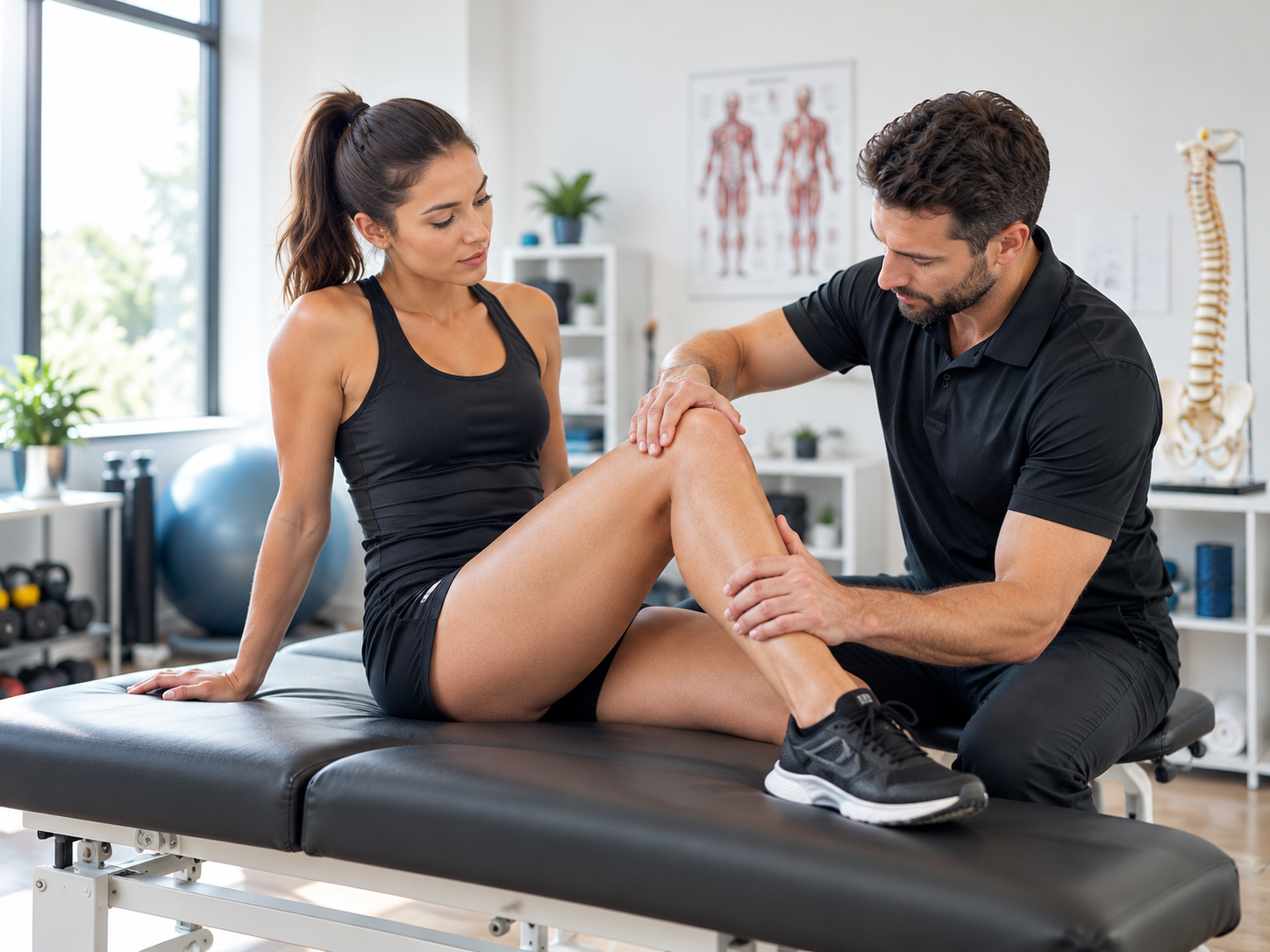
Effective non-invasive chiropractic treatment strategies for sports recovery in Etobicoke.
Whether you are training for the Toronto Marathon along the Humber Bay shores or simply playing weekend hockey at the MasterCard Centre, nothing halts your momentum faster than a sudden injury. One moment you are pushing past a personal record; the next, a sharp pain in your knee or lower back sidelines your training for weeks.
When an athlete gets hurt, the immediate reaction is often to rest, ice, or resort to over-the-counter painkillers. While many people associate sports medicine strictly with orthopaedic surgeons or standard physical therapy, primary healthcare providers specialising in biomechanics offer a powerful, non-invasive alternative. A dedicated Etobicoke Chiro provides comprehensive sports injury treatment in Etobicoke for athletes to recover faster, restore joint mechanics, and safeguard against future setbacks.
Chiropractic care for athletes goes far beyond simple spine cracking. It focuses on the whole-body kinetic chain, addressing how joints, muscles, nerves, and connective tissues function together to keep you moving efficiently.
The Biomechanics of Athletic Trauma – Why Joints and Soft Tissues Fail
To understand why conservative care works, it helps to understand how sports injuries actually develop. Athletic movement relies on kinetic chains, interconnected groups of joints and muscles that transfer force throughout the body. When one link in this chain malfunctions due to restriction, weakness, or joint misalignment, other areas are forced to compensate.
Sports injuries generally fall into two broad physiological categories:
- Acute Mechanical Trauma – Occurs from a sudden macro-trauma, such as an ankle rollover on a trail, a high-impact collision on the ice, or a sudden change of direction on the soccer field. These events cause sudden micro-tears in ligamentous structures or muscle fibres, leading to acute inflammation and joint subluxations (minor misalignments).
- Overuse and Micro-Trauma – Develops slowly over time when repetitive loading exceeds the tissue’s capacity to repair itself. Overuse creates chronic, low-grade inflammation, altered motor patterns, and dense myofascial adhesion formation (scar tissue) within the muscle fibres.

When tissue injury occurs, the body forms dense scar tissue to patch the damage quickly. However, scar tissue lays down in a random, disorganised pattern, making it significantly less elastic than healthy muscle or ligament tissue. This leads to persistent joint stiffness, altered movement patterns, and ongoing susceptibility to re-injury.
By seeking specialised sports injury treatment in Etobicoke, athletes can address these structural imbalances directly, breaking the pain cycle before chronic damage sets in.
5 Most Common Sports Injury Treatments in Etobicoke By Chiropractors
Modern sports chiropractors treat a broad range of neuro-musculoskeletal conditions. Below are the five most frequent injuries seen in clinical practice and the specific biomechanical strategies used to treat them.
| Injury Type | Primary Affected Area | Common Athletic Causes | Key Biomechanical Issue |
| Sprains & Strains | Ligaments (Ankle/Wrist/Knee) & Muscle Tendons | Rapid direction changes, uneven terrain, explosive stops | Joint instability, ligamentous laxity, scar tissue accumulation |
| Lower Back Pain & Sciatica | Lumbar Spine, Sacroiliac (SI) Joints | Heavy deadlifting, repetitive rowing, rotational golf swings | Nerve root compression, disc bulge, pelvis asymmetry |
| Rotator Cuff Impingement | Shoulder Girdle & Scapular Stabilisers | Swimming, overhead pressing, baseball pitching | Reduced subacromial space, scapular dyskinesis |
| Patellofemoral Pain (Runner’s Knee) | Patella & Quadriceps Tendon | High-impact running, jump landing, downhill hiking | Poor tracking of the kneecap due to hip/glute weakness |
| Epicondylitis (Tennis/Golfer’s Elbow) | Lateral/Medial Forearm Flexors & Extensors | Repetitive racquet sports, golf swings, heavy manual gripping | Micro-tearing at the tendinous insertion on the humerus |
1. Ankle Sprains and Wrist Strains
Ankle sprains, particularly lateral inversion sprains, are among the most frequent traumatic injuries in court and field sports. When an ankle rolls, ligaments stretch or tear, and the talus bone inside the joint socket often shifts out of its optimal position.
Working with a sports injury chiropractor in Etobicoke ensures that the ankle bones (talus, calcaneus, and fibula) are precisely realigned after the acute swelling subsides. Restoring proper joint play prevents the chronic ankle instability and joint stiffness that frequently plague athletes long after the initial swelling goes down.
2. Lumbar Spine Dysfunction and Sciatica
Rotational sports like golf and tennis, alongside heavy strength training, put immense torque on the lumbar spine. Pelvic misalignments or sacral torsions can pinch or irritate the sciatic nerve, causing radiating pain down the glutes and legs.
Chiropractors use gentle spinal manipulation to realign the lumbar vertebrae and sacroiliac (SI) joints. According to a systematic review published in the Journal of Manipulative and Physiological Therapeutics, spinal manipulative therapy delivers significant improvements in pain relief and functional capacity for patients experiencing acute and chronic lower back pain.
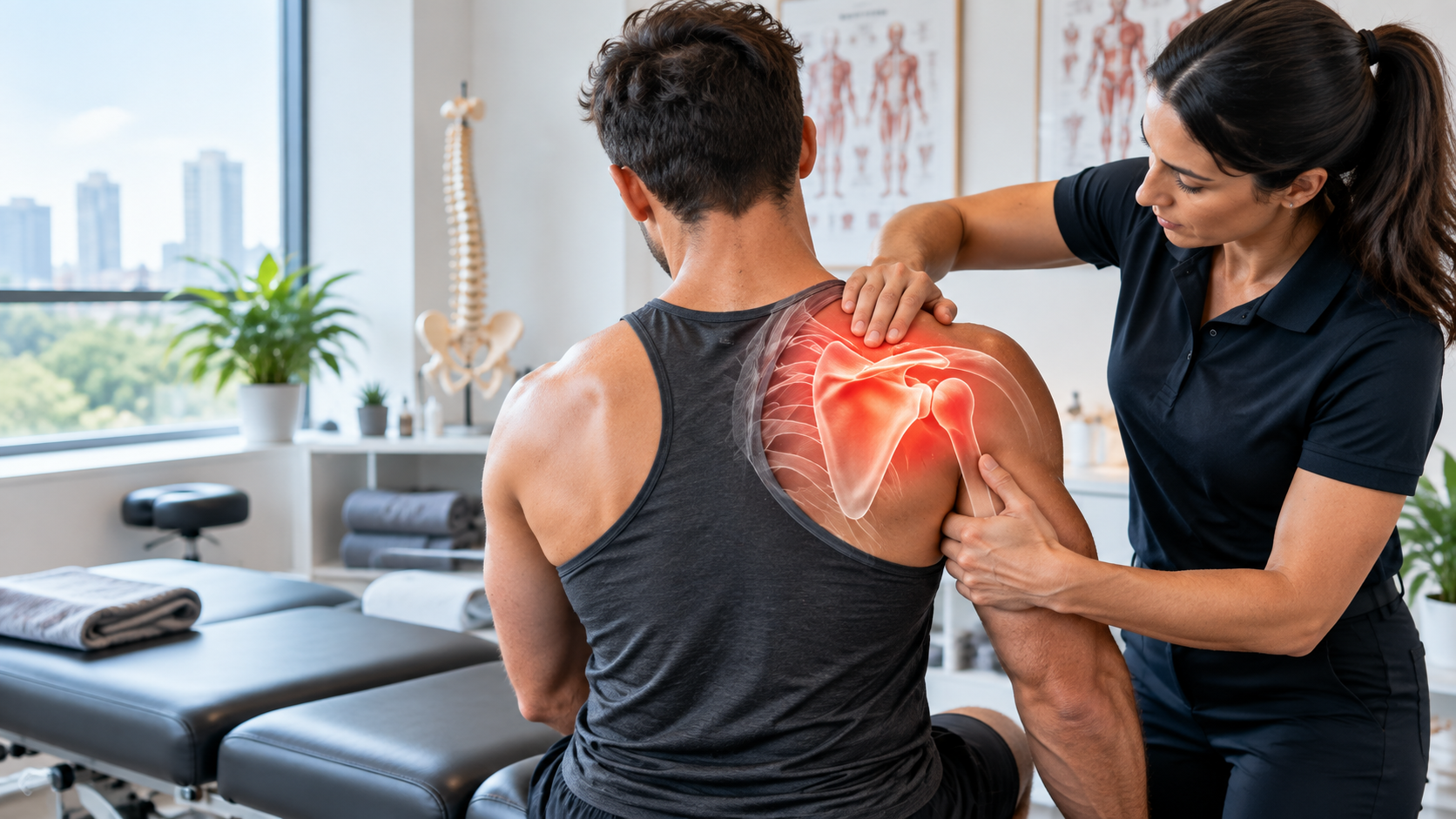
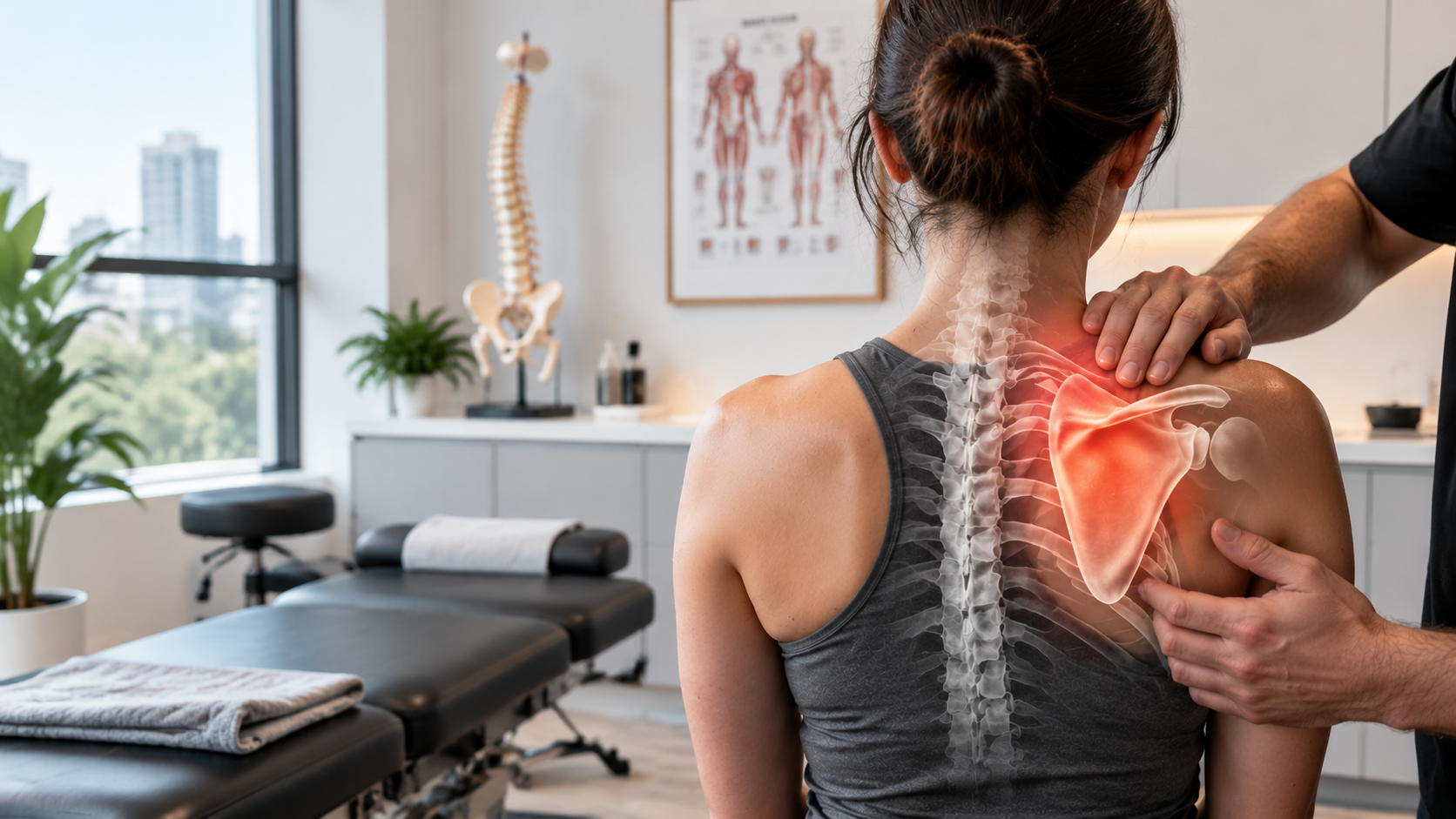
3. Rotator Cuff Impingement and Shoulder Pain
The shoulder is the most mobile joint in the human body, relying heavily on dynamic muscular stabilisation. When athletes engage in repetitive overhead motions, such as swimming laps or throwing, the humerus can ride up in its socket, compressing the subacromial bursa and rotator cuff tendons.
Treatment involves gentle mobilisation of the glenohumeral joint, adjustment of the cervical spine and rib cage, and targeted therapy to release tight chest and upper-back muscles that pull the shoulder forward out of alignment.
4. Patellofemoral Pain Syndrome (Runner’s Knee)
Runner’s knee presents as a dull, aching pain behind or around the kneecap, typically aggravated by running, squatting, or taking stairs. While the pain is felt at the knee, the underlying root cause usually lies above or below the joint.
A comprehensive evaluation looks at ankle pronation and hip stability. If the gluteus medius is weak, the femur rotates inward, causing the kneecap to track improperly against the thigh bone. Chiropractic adjustments to the pelvis and hips, paired with ankle mobilisation, correct this tracking vector to relieve friction on the knee joint.
5. Epicondylitis (Tennis or Golfer’s Elbow)
Overuse of the forearm extensor muscles (Tennis Elbow) or flexor muscles (Golfer’s Elbow) causes painful tendonitis or tendinosis at the epicondyles of the elbow. Chiropractors address this by combining instrument-assisted soft tissue work along the forearm with joint adjustments to the elbow and upper thoracic spine, ensuring full neurological drive reaches the arm muscles.
The Chiropractor’s Toolkit – Advanced Modalities for Fast Recovery
Modern sports chiropractors utilise an evidence-based toolkit that extends far beyond manual spinal manipulation. By integrating soft tissue techniques, modalities, and exercise prescription, care is customised to each athlete’s recovery phase.
| Joint Realignment | Soft Tissue Therapy | Functional Rehab |
| High-Velocity Thrusts | Active Release (ART) | Corrective Exercise |
| Low-Force Mobilization | Graston / IASTM | Kinesiology Taping |
| Extremity Adjusting | Myofascial Release | Neuromuscular Re-education |
If you are looking for dedicated sports injury chiropractic services, expect your treatment plan to incorporate several of the following evidence-based modalities:
1. Precision Chiropractic Adjustments (Spinal & Extremity)
High-velocity, low-amplitude (HVLA) thrusts and low-force mobilisations restore motion to restricted joint complexes. When joints move correctly, mechanoreceptors within the joint capsule fire, sending signals to the brain that override pain perception and reduce surrounding muscle spasms.
2. Instrument-Assisted Soft Tissue Mobilisation (IASTM) & ART
Techniques such as the Graston Technique use specialised stainless steel tools to scan and treat myofascial adhesions. Coupled with Active Release Techniques (ART), where the practitioner applies direct pressure while moving the muscle through its full range of motion, these therapies break down dense scar tissue and restore normal elasticity to tight muscles.
3. Kinesiology Taping (K-Tape)
Applied strategically along muscle groups, kinesiology tape subtly lifts the skin from the underlying fascia. This micro-decompression improves lymphatic drainage, reduces localised swelling, and provides sensory feedback to the brain, enhancing proprioception (joint spatial awareness) during movement.
4. Corrective Exercise and Functional Rehabilitation
Adjustments unlock joint movement, but targeted exercise cements those gains. Athletes receive tailored corrective exercise routines designed to strengthen weak stabilising muscles (such as the deep neck flexors, core, and glutes) and retrain proper movement mechanics.
Science-Backed Benefits – What the Research Shows
Chiropractic care is supported by a growing body of clinical research highlighting its efficacy for athletic performance, pain reduction, and injury recovery.
| Multimodal chiropractic care, combining joint manipulation, soft tissue release, and progressive exercise, demonstrates superior outcomes in functional recovery compared to passive rest alone. |
- Accelerated Neuromuscular Recovery – Research published in Sports Medicine notes that manual therapies reduce systemic inflammation, clear metabolic waste from strained muscle tissue, and boost blood circulation to support tissue repair.
- Preventing Overuse Recurrence – A trial published in the Journal of Athletic Training indicated that athletes participating in targeted functional rehab programs alongside joint mobilisation experienced fewer recurring soft tissue sprains compared to those using basic rest protocols.
- Enhanced Proprioception and Power Output – Joint adjustments stimulate the central nervous system. Restoring normal joint mechanics improves nerve conduction and muscle activation, helping athletes react faster on the field and maintain balance under fatigue.
Athletes who incorporate consistent sports injury treatment Etobicoke protocols into their training schedule often report faster recovery times, decreased muscle soreness, and greater joint fluidity during high-intensity training.
Beyond Injury Treatment – Performance Optimisation & Prevention
You do not need to wait until you are injured to see a chiropractor. Professional sports teams across the NHL, NFL, and Olympic organisations retain team chiropractors because routine care serves as a proactive maintenance strategy.
- Correcting Structural Asymmetries – Most people have a dominant side. A runner might rely more heavily on their right leg, leading to a subtle pelvic tilt. Over thousands of strides, this asymmetry causes micro-trauma. Routine assessments spot and correct these imbalances before they turn into full-blown injuries.
- Optimising Joint Mobility – Full range of motion allows muscles to generate maximum power. Restricted hip or thoracic spine joints force adjacent structures to compensate, diminishing athletic efficiency and draining energy.
- Preventing Overuse Degeneration – Consistent joint maintenance stops minor irritations from developing into chronic conditions like tendinitis or early-stage joint wear.
Whether preparing for an upcoming triathlon or managing the physical demands of daily exercise, partnering with an experienced sports clinician helps maintain biomechanical efficiency.
Triage Guide – When to See a Chiropractor vs. Emergency Medical Care
Knowing which healthcare provider to consult ensures safe, appropriate care. While chiropractors excel at managing conservative musculoskeletal conditions, acute medical emergencies require immediate hospital care.
Consult a Chiropractor For:
- Subacute or chronic joint stiffness and muscle pain.
- Repetitive stress injuries (Runner’s knee, Tennis elbow, Shin splints).
- Non-displaced sprains, muscle strains, and postural imbalances.
- Sciatica and nerve irritation stemming from mechanical spine issues.
- Pre-season athletic movement screenings and injury prevention.
Seek Immediate Emergency Care (ER / Medical Doctor) For:
- Visible bone deformities, open wounds, or suspected fractures.
- Complete joint dislocations or severe, unmanageable trauma.
- Head trauma accompanied by loss of consciousness, dizziness, or vomiting (suspected concussion).
- Sudden, severe loss of bowel or bladder control alongside lower back pain (signs of Cauda Equina Syndrome).
- Numbness or progressive muscular weakness spreading through both limbs simultaneously.
What to Expect During Your First Visit
If you are new to clinical care, your initial visit focuses on identifying the root cause of your pain rather than simply treating symptoms.
- Comprehensive Biomechanical Assessment – Your provider begins with a thorough history, followed by posture analysis, range-of-motion testing, orthopaedic examinations, and functional movement screens (such as single-leg squats or gait analysis).
- Targeted Diagnosis – You will receive a clear explanation of what tissues are damaged, why the breakdown occurred, and how long recovery will realistically take.
- Personalised Care Plan – Treatment usually starts on day one, combining gentle joint adjustments, myofascial release, and home exercise guidance.
- Progressive Load Monitoring – As pain decreases, your clinician updates your rehab program to include sport-specific movements, ensuring your body can safely handle the forces required for full athletic return.
Frequently Asked Questions About Sports Chiropractic
Is chiropractic care safe for acute sports injuries?
Yes. Chiropractors are trained to diagnose musculoskeletal conditions and rule out severe pathology, such as fractures or red-flag medical issues, before providing treatment. Modalities are carefully adapted to match your recovery stage, using gentle mobilisations and soft tissue therapies during acute flare-ups.
How many sessions will I need to recover?
Treatment timelines depend on injury severity, age, overall health, and adherence to rehab exercises. Minor muscle strains or joint restrictions may resolve in 3 to 6 sessions, whereas chronic overuse conditions or severe ligament sprains may require 8 to 12 weeks of structured care.
Can I receive chiropractic treatment alongside physical therapy or massage?
Yes. Integrative care often delivers the best results. Chiropractors regularly collaborate with massage therapists, physiotherapists, and strength coaches to support complete recovery.
Get Back in the Game with Expert Care
An injury does not have to end your season or keep you on the sidelines. By focusing on joint alignment, tissue elasticity, and muscle balance, modern chiropractic care offers a fast, drug-free pathway back to high-level performance.
If you are suffering from a persistent injury or want to optimise your athletic mechanics, don’t wait for minor aches to turn into chronic pain. Contact Etobicoke Chiro today to schedule your comprehensive sports injury assessment and take the first step toward lasting recovery!